We Do Not Keep Halloween — and Here Is Why
Holidays
NCAY INC does not keep Halloween. We will not keep it, dress it up, or call it harmless fun in the Name of YHVH. The night is built on traffic with the dead, with spirits, and with fear. That is what it stands for, and Scripture forbids it.
What the day is, and where it came from
Halloween is October 31, All Hallows’ Eve: the night before All Saints’ Day (November 1) in the Western church calendar, with All Souls’ Day on November 2. Encyclopaedia Britannica notes that the name reflects that later church observance, while many of the customs and the air of the supernatural developed through a mixture of church practice and older seasonal tradition.
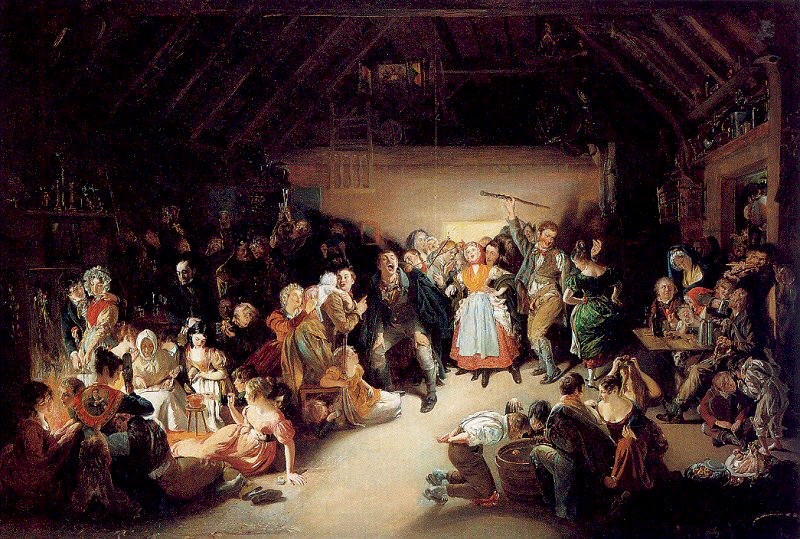
Among the Celts of Britain and Ireland, a festival called Samhain (Irish: “summer’s end”) marked the close of summer and the beginning of winter, around the first of November. Britannica records the belief that, at that turning of the year, spirits of the dead were thought to be abroad, and that people kindled fires and, in later custom, wore disguises. In the eighth century, Pope Gregory III is associated with an All Saints observance on November 1 in Rome; All Hallows’ Eve then fell on October 31. Folk customs—lanterns carved first from turnips and later from pumpkins, begging of food, masks—were carried into the modern holiday, which in much of North America is now a commercial night of costumes and fear-play.
We do not claim that every child in a costume is practicing sorcery. We do say this plainly: the day, as a holiday, stands for traffic with the dead, with fear, and with the occult as entertainment. That is not the walk of those who honor YHVH, and we will not keep it.
What Scripture says
“There shall not be found among you any one that … useth divination, or an observer of times, or an enchanter, or a witch, or a charmer, or a consulter with familiar spirits, or a wizard, or a necromancer. For all that do these things are an abomination unto YHVH.” Deuteronomy 18:10–12 (KJV, names per NCAY practice).
“Regard not them that have familiar spirits, neither seek after wizards, to be defiled by them: I am YHVH.” Leviticus 19:31 (KJV, names per NCAY practice).
“And when they shall say unto you, Seek unto them that have familiar spirits, and unto wizards that peep, and that mutter … To the law and to the testimony: if they speak not according to this word, it is because there is no light in them.” Isaiah 8:19–20 (KJV, names per NCAY practice).
“And have no fellowship with the unfruitful works of darkness, but rather reprove them.” Ephesians 5:11 (KJV, names per NCAY practice).
Why we will not keep it
YHVH set apart His own days. We keep the seventh-day Sabbath and the appointed times of Scripture. We do not replace them with a night named for “all hallows,” or with play that treats the dead, spirits, and darkness as a festival. If a practice stands for what the Torah calls an abomination, we will not keep it, however popular it has become, and we will not pretend that a costume makes the command go away.
Sources
- Encyclopaedia Britannica, “Halloween”; “Samhain”; and related articles on All Saints’ Day and All Hallows’ Eve.
- Encyclopaedia Britannica, “Why Do We Carve Pumpkins at Halloween?” (jack-o’-lanterns and later folk custom).
- Deuteronomy 18:10–12; Leviticus 19:31; Isaiah 8:19–20; Ephesians 5:11.